Laboratory Sleep Study
Laboratory Sleep Study
An in-laboratory sleep study is a comprehensive overnight assessment conducted in a purpose-built sleep laboratory. It provides the most detailed picture of sleep health available, and is recommended for patients who need a broader evaluation than a home sleep study can provide.
Specialist consultation required before booking
A consultation with a Respiratory and Sleep Physician is required before a laboratory study can be booked. The specialist will review your symptoms, confirm the most appropriate study type, and arrange the referral. Ask your GP to refer you to a Respiratory and Sleep Physician in the first instance.
Polysomnography (PSG) is the gold standard diagnostic test for sleep disorders. Unlike a home sleep study, which focuses primarily on breathing and oxygen levels, a full laboratory study at Coastal Respiratory and Sleep Specialists allows for assessment of nocturnal hypoventilation, complex ventilatory failure and parasomnia. Treatment studies include initiation and titration of CPAP, bilevel ventilation (NIV) and complex ventilation strategies such as Adaptive Servo Ventilation (ASV) and AVAPS.
This breadth of data allows Sleep Physicians to diagnose a wide range of sleep conditions and to assess sleep architecture in detail. The study is conducted by a qualified sleep technologist who monitors recordings in real time and can make adjustments during the night if needed.
Snoring
Snoring is caused by partial obstruction of the airway during sleep. While it may seem harmless, it can be a sign of obstructive sleep apnoea (OSA). Diagnostic sleep studies are available to assess the severity of snoring, and treatment options may include lifestyle changes, continuous positive airway pressure (CPAP), or other airway devices to improve airflow and sleep quality.
Muscle tone (EMG)
Detects abnormal movements and REM sleep behaviour disorder.
Breathing effort
Identifies obstructive versus central respiratory events.
Oxygen saturation
Continuous overnight pulse oximetry to identified oxygen desaturation index and hypoxaemic burden.
Heart rhythm (ECG)
Detects cardiac arrhythmias during sleep.
Leg movements
Assesses for periodic limb movement disorder.
Body position
Identifies positional components to breathing disorders.
Camera
Identifies vocalisations, periodic movements, parasomnias and sleepwalking.
Brain activity (EEG)
Studies and services available
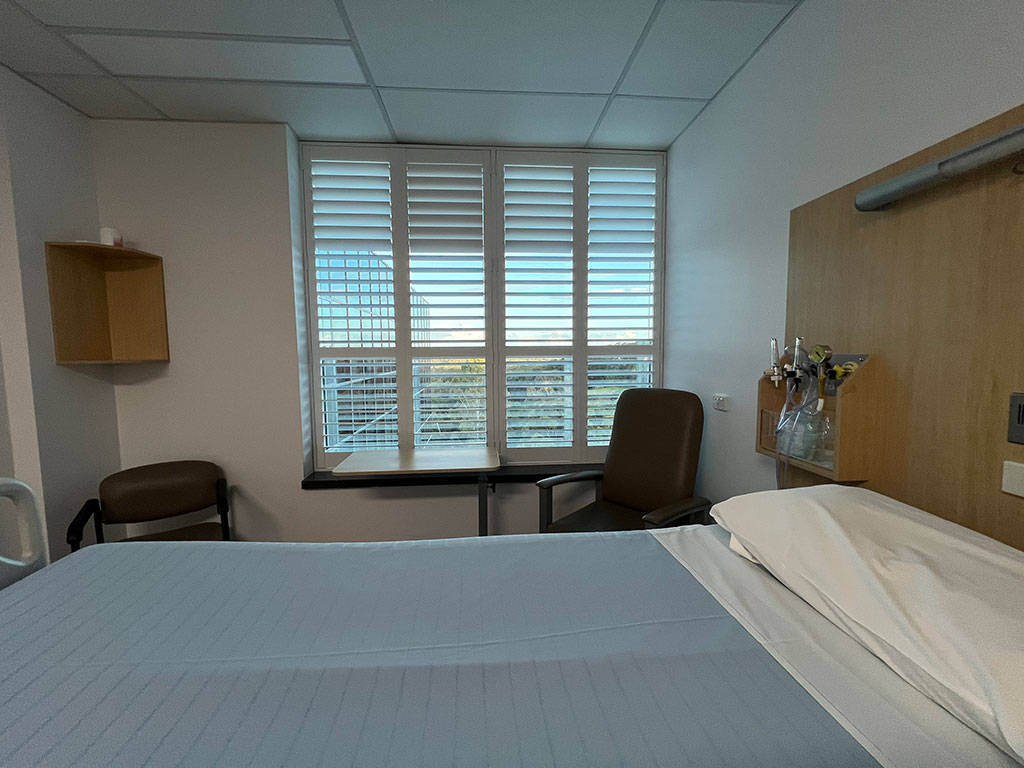
The sleep laboratory at John Flynn Hospital offers a range of overnight studies, as directed by the treating Respiratory and Sleep Physician.
Diagnostic polysomnography
Full overnight study to diagnose obstructive sleep apnoea, central sleep apnoea, REM sleep behaviour disorder, periodic limb movement disorder, and other sleep conditions.
CPAP titration
Supervised overnight study to determine the optimal CPAP pressure for patients commencing CPAP therapy, or to review and adjust therapy in patients with an existing CPAP prescription.
ASV/ Bi-level titration
Supervised overnight study to determine the optimal ASV/Bi-level pressure for patients commencing nocturnal ventilation therapy, or to review and adjust therapy in patients with an existing prescription. We can also entrain supplemental oxygen therapy for those patients who require positive airway pressure and oxygen.
Transcutaneous CO₂ monitoring (TcCO₂)
Non-invasive overnight monitoring of carbon dioxide levels, used in the assessment of hypoventilation disorders including; obesity hypoventilation syndrome and neuromuscular disease where CO₂ retention during sleep is a concern.
When is a laboratory study recommended?
- Suspected non-respiratory sleep disorders, such as REM sleep behaviour disorder, narcolepsy, or periodic limb movement disorder
- Significant or complex medical history — including heart failure, neuromuscular disease, or severe COPD
- A home sleep study result that was inconclusive or technically inadequate
- Need to titrate CPAP or non-invasive ventilation therapy in a supervised setting
- Suspected hypoventilation or CO₂ retention during sleep
- Suspected central sleep apnoea or complex breathing patterns
The Respiratory and Sleep Physician will advise which study is most appropriate following your consultation. You can learn more about home sleep studies on the home sleep study page.
Private health insurance and costs
FOR GPS AND REFERRING CLINICIANS
Referrals are accepted for home sleep studies and sleep physician consultations for patients on the Gold Coast and surrounding areas. Studies are bulk billed under MBS item 12250. For complex cases or patients requiring a more comprehensive assessment, in-lab studies and specialist review are also available. Please contact the clinic to discuss specific patients or to request a referral form.
What to expect on the night
See a Respiratory and Sleep Physician first
Before a laboratory study can be booked, a consultation with a Respiratory and Sleep Physician is required. Ask your GP to provide a referral to the specialist in the first instance. The physician will assess your symptoms, confirm the indication, and determine which study is most appropriate.
Confirm your insurance
Contact your private health insurer to confirm you are covered for an in-hospital sleep study. The clinic team can assist with any questions about the booking or insurance process.
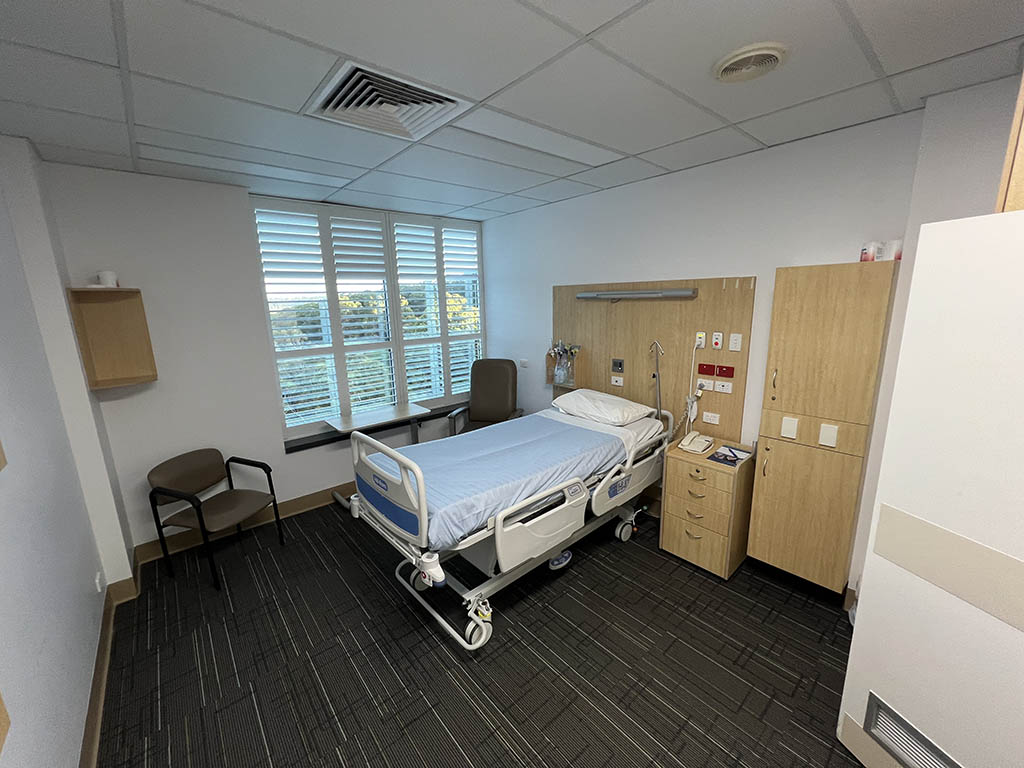
Arrive at John Flynn Hospital
Arrive at the sleep laboratory at the scheduled admission time — typically early evening (6:30pm) Bring your Medicare card, insurance details, any regular medications, and comfortable two-piece sleepwear. Please also bring a book or something to occupy your time if you do not wish to watch TV. Continue your normal routine during the day, avoiding caffeine after midday and not applying hair products or moisturiser.
Set-up by the sleep technologist
A qualified sleep technologist will attach a series of sensors to your scalp, face, chest, abdomen, and legs. This takes around 45–60 minutes and is not painful. Most patients sleep reasonably well once settled.
Sleep — monitored overnight
Sleep — monitored overnight The technologist monitors all recordings throughout the night from an adjacent room and can communicate with you if needed. You will be woken at a scheduled time in the morning.
Discharge and results
Sensors are removed and you are free to go — most patients are discharged by 7am. The overnight data is reviewed by the Respiratory and Sleep Physician, who will follow up to discuss findings, diagnosis, and any treatment recommendations.
Frequently asked questions
Can my GP refer me directly for a laboratory study?
Do I need private health insurance?
Will I be able to sleep with all the sensors attached?
What should I bring on the night?
When will I get my results?
FOR GPS AND REFERRING CLINICIANS
Please refer patients to a Respiratory and Sleep Physician in the first instance — laboratory studies are booked following specialist consultation. The sleep laboratory at John Flynn Hospital offers diagnostic polysomnography (MBS 12203), CPAP titration (MBS 12204), and transcutaneous CO₂ monitoring, all on a no-gap basis for patients with appropriate private health insurance. For patients without private health insurance or where a home study is appropriate, please see the home sleep study service.
Ready to get started?
The specialist will assess your symptoms and arrange the appropriate study.
Learn More About

Home Sleep Study
Home or in-lab sleep studies help diagnose conditions like sleep apnoea by monitoring breathing, oxygen levels, and sleep patterns during rest.
Bronchoscopy & Procedures
Consultations can be conducted in person at our Pimpama, John Flynn or Southport clinics, or conveniently via telehealth.

Lung function
We conduct detailed lung function tests, including spirometry, to assess breathing capacity, diagnose conditions, and guide effective respiratory treatment.

Respiratory
We assess, diagnose, and manage lung conditions like asthma, COPD, and chronic cough with expert care and personalised treatment plans.
Sleep
Home or in-lab sleep studies help diagnose conditions like sleep apnoea by monitoring breathing, oxygen levels, and sleep patterns during rest.

Specialist Consultation
Book in-person at our Tugan, Benowa or Pimpama clinics or choose telehealth for flexible, expert care from the comfort of your home.