

Excessive Daytime Sleepiness: Causes, Sleep Disorders and Diagnosis
Excessive daytime sleepiness can make it difficult to stay alert, focused and productive throughout the day. While feeling tired after a poor night’s sleep is common, persistent sleepiness may indicate an underlying sleep disorder, medical condition or disruption to normal sleep patterns.
Understanding the possible daytime sleepiness causes can help you recognise when symptoms need further assessment. At Coastal Respiratory & Sleep Specialists, we assess sleep and respiratory concerns to help identify factors contributing to persistent tiredness and sleepiness.
What Is Excessive Daytime Sleepiness?
Excessive daytime sleepiness refers to an ongoing tendency to feel unusually sleepy during waking hours. It is different from occasional tiredness because it can occur even after what appears to be an adequate night’s sleep.
People experiencing excessive daytime sleepiness may struggle to remain awake during work, study, driving or quiet activities. Persistent daytime sleepiness can also affect concentration, memory, mood and everyday functioning.
How Daytime Sleepiness Can Affect Daily Life
When sleepiness continues for weeks or months, everyday activities can become more difficult. A person may rely heavily on caffeine, take frequent naps or feel unable to maintain their usual level of alertness.
Common effects include:
- Difficulty concentrating
- Reduced motivation
- Poor memory and attention
- Irritability or mood changes
- Frequent daytime naps
- Reduced work or study performance
- Difficulty staying awake during passive activities
Excessive tiredness should not automatically be attributed to a busy schedule. If symptoms persist despite adequate rest, it may be appropriate to discuss them with a healthcare professional.
Common Causes of Excessive Daytime Sleepiness
There are many possible sleepiness causes, ranging from insufficient sleep to medical and sleep-related conditions. Identifying the underlying reason is important because treatment depends on what is causing the symptoms.
Poor sleep quality can result in significant daytime sleepiness even when someone spends enough hours in bed. Irregular schedules, frequent waking and environmental factors can also interfere with restorative sleep.
Insufficient or Disrupted Sleep
Not getting enough sleep is one of the most straightforward causes of daytime sleepiness. Shift work, long working hours, caregiving responsibilities and inconsistent sleeping patterns can all contribute.
Other factors that can interfere with healthy sleep include:
- Frequent nighttime awakenings
- Irregular sleep schedules
- Excessive screen use before bed
- Environmental noise or light
- Stress and lifestyle changes
- Poor sleep habits
If improving sleep habits does not resolve excessive daytime sleepiness, further assessment may be appropriate.
Sleep Disorders Associated With Daytime Sleepiness
Several sleep disorders can cause persistent sleepiness. Some may be difficult to recognise without specialist assessment because symptoms occur primarily during sleep.
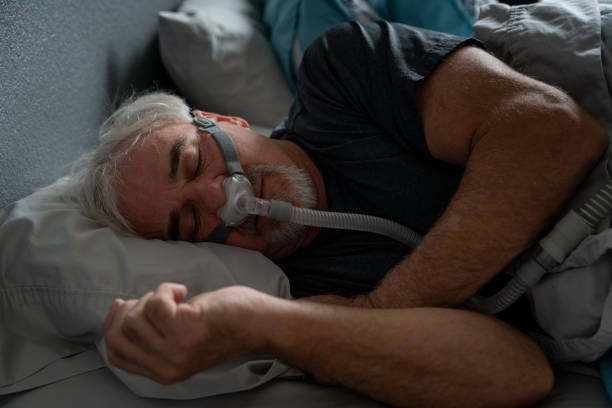
Obstructive sleep apnoea is one important example. It occurs when the upper airway becomes narrowed or blocked repeatedly during sleep, potentially disrupting normal sleep and breathing.
Obstructive Sleep Apnoea
People with obstructive sleep apnoea may snore loudly, wake with a dry mouth or headache, experience witnessed pauses in breathing, or feel unusually sleepy during the day.
Other sleep disorders can also contribute to daytime sleepiness, including insomnia, restless legs syndrome, circadian rhythm disorders and certain central disorders of hypersomnolence.
A sleep doctor on the Gold Coast can assess persistent sleep-related symptoms and determine whether further investigation may be appropriate.
Medical and Lifestyle Factors
Not all daytime sleepiness is caused by a primary sleep disorder. Certain medical conditions, medications and lifestyle factors can influence alertness and sleep quality.
Excessive tiredness may sometimes occur alongside conditions affecting physical or mental wellbeing. Medication side effects, alcohol consumption and other substances can also affect sleep architecture or daytime alertness.
Factors That May Contribute to Sleepiness
A comprehensive assessment considers the broader context rather than focusing only on the number of hours someone sleeps.
Potential contributing factors may include:
- Certain prescription or over-the-counter medicines
- Alcohol or substance use
- Chronic health conditions
- Mood-related concerns
- Hormonal or metabolic changes
- Poor sleep routines
- Shift work or irregular schedules
These factors do not necessarily mean that a person has a sleep disorder. They are considered as part of the overall clinical assessment.
When Should Excessive Daytime Sleepiness Be Assessed?
Occasional tiredness is generally expected after inadequate sleep or an unusually demanding day. Persistent symptoms are different and may warrant professional evaluation, particularly when they interfere with normal activities.
Signs That Further Assessment May Be Appropriate
You may benefit from an assessment if you regularly struggle to stay awake, experience unplanned naps or notice that sleepiness affects your work, study or social activities.
It is particularly important to seek medical advice if sleepiness occurs while driving or operating machinery. Unexplained excessive daytime sleepiness can have safety implications and should be taken seriously.
At Coastal Respiratory & Sleep Specialists, we consider symptoms, sleep patterns, medical history and relevant risk factors when assessing sleep-related concerns.
How Is Excessive Daytime Sleepiness Diagnosed?
Diagnosis starts with a detailed clinical history. A specialist may ask about your usual sleep schedule, bedtime routine, awakenings, snoring, breathing difficulties and daytime symptoms.
A sleep diary or questionnaire may also provide useful information about sleep patterns and alertness. Depending on the suspected cause, a sleep study or other investigation may be recommended.
Understanding the Diagnostic Process
The goal of assessment is to distinguish normal tiredness from clinically significant sleepiness and identify potential underlying causes.
A specialist may consider:
- Sleep duration and quality
- Daytime alertness
- Snoring and breathing symptoms
- Medication and lifestyle factors
- Existing medical conditions
- Work and sleep schedules
- Symptoms associated with specific sleep disorders
A respiratory specialist on the Gold Coast can assess respiratory factors that may contribute to disturbed sleep, while sleep-focused evaluation can help investigate suspected sleep disorders.
Sleep Studies and Other Investigations
When symptoms suggest a sleep-related breathing disorder or another sleep condition, objective testing may be recommended. The type of test depends on the symptoms and clinical questions being investigated.
What a Sleep Study Can Assess
Sleep studies can provide information about breathing, oxygen levels, heart rate and other physiological changes during sleep. They may help identify abnormalities that cannot be recognised through symptoms alone.
In appropriate cases, testing can help investigate conditions such as obstructive sleep apnoea and other causes of disrupted sleep.
At Coastal Respiratory & Sleep Specialists, we use specialist assessment to help determine which investigations may be relevant based on individual symptoms and clinical circumstances.
Treatment Depends on the Underlying Cause
There is no single treatment for excessive daytime sleepiness because the appropriate approach depends on its cause. Improving sleep habits may help when insufficient sleep is responsible, while an underlying sleep disorder may require specific management.
Addressing the Source of Sleepiness
Treatment may involve managing an identified sleep disorder, reviewing contributing medications or addressing factors affecting sleep quality. Where clinically appropriate, lifestyle and behavioural changes may form part of an overall management plan.
For example, management may involve:
- Improving sleep consistency
- Treating an underlying sleep-related breathing condition
- Addressing disrupted circadian rhythms
- Reviewing relevant medications with a healthcare professional
- Managing contributing health conditions
- Following an individually appropriate sleep management plan
A specialist assessment can help determine which approach is appropriate rather than relying on general advice alone.
Finding the Right Specialist for Persistent Sleepiness
Persistent daytime sleepiness can have different causes, so choosing an appropriate assessment pathway depends on the symptoms involved. Respiratory symptoms, snoring or suspected sleep apnoea may require respiratory and sleep expertise.
Specialist Assessment on the Gold Coast
If you are experiencing persistent sleepiness alongside snoring, breathing interruptions or other respiratory symptoms, you can book a respiratory specialist on the Gold Coast for an appropriate assessment.
For symptoms primarily related to sleep quality, unexplained sleepiness or suspected sleep disorders, you can book a sleep specialist on the Gold Coast to discuss your concerns and determine whether further evaluation is required.
Coastal Respiratory & Sleep Specialists provides specialist consultation for respiratory and sleep-related concerns, with assessment tailored to the individual’s symptoms and clinical history.
Why Accurate Diagnosis Matters
Persistent sleepiness should not simply be managed with caffeine or frequent naps without considering the underlying cause. Accurate diagnosis can help distinguish inadequate sleep from a sleep disorder or another health-related factor.
Taking Sleep Symptoms Seriously
Recognising ongoing symptoms is an important first step. Keeping track of sleeping patterns, daytime symptoms, snoring and nighttime awakenings can provide useful information during a specialist consultation.
If excessive tiredness continues despite adequate sleep, professional assessment can help clarify whether a sleep disorder or another contributing factor may be involved.
Conclusion
Excessive daytime sleepiness can result from inadequate sleep, disrupted sleep patterns, medical conditions, medication effects or sleep disorders. Because the causes vary, persistent symptoms require more than simply assuming that someone is not getting enough rest.
Recognising persistent daytime sleepiness, unexplained excessive tiredness and other changes in alertness can help you determine when specialist assessment may be appropriate. Identifying the underlying cause is an important part of choosing suitable management.
At Coastal Respiratory & Sleep Specialists, we provide specialist assessment for sleep and respiratory concerns. If ongoing sleepiness is affecting your daily life, you can arrange a specialist consultation to discuss your symptoms and potential next steps.
Frequently Asked Questions
1. What is the difference between tiredness and excessive daytime sleepiness?
Tiredness often refers to a lack of energy, while excessive daytime sleepiness describes an increased tendency to fall asleep or struggle to stay awake during the day. Persistent symptoms may warrant further assessment.
2. Can sleep disorders cause daytime sleepiness?
Yes. Several sleep disorders can interfere with restorative sleep or directly increase daytime sleepiness. Obstructive sleep apnoea, insomnia and certain hypersomnolence disorders are examples that may require specialist evaluation.
3. When should I see a sleep specialist?
Consider seeking specialist advice if sleepiness persists despite adequate sleep, causes unplanned naps, affects daily activities or occurs alongside symptoms such as loud snoring or breathing interruptions.
4. Can excessive daytime sleepiness be treated?
Treatment depends on the underlying cause. Addressing insufficient sleep, an identified sleep disorder, medication effects or other contributing factors may improve symptoms when appropriately managed.
5. Can I book a sleep specialist on the Gold Coast for persistent sleepiness?
Yes. If persistent sleepiness is affecting your daily life, you can book a sleep specialist on the Gold Coast to discuss your symptoms and whether specialist assessment or sleep testing may be appropriate.