What Is Sleep Apnoea? Symptoms, Causes, Diagnosis and Treatment
Sleep apnoea is a common sleep-related breathing condition in which breathing is repeatedly impaired. These interruptions can affect oxygen levels, sleep quality and daytime alertness. Because many episodes happen without the person being aware of them, recognising the warning signs is important.
Understanding sleep apnoea can help people recognise when symptoms may need further assessment. This guide explains the different types, common causes and risk factors, how diagnosis works, and the treatment approaches that may be considered after a clinical assessment.
What Is Sleep Apnoea?
Sleep apnoea occurs when normal breathing is repeatedly interrupted during sleep. An episode can happen when the airway becomes blocked or when the brain does not send the appropriate signals to the muscles responsible for breathing. The interruptions can last for several seconds and may occur repeatedly throughout the night.
People may not remember waking during these episodes. Instead, they may notice symptoms such as tiredness, morning headaches, difficulty concentrating or changes in mood. A partner or family member may also notice loud snoring, pauses in breathing or sudden gasping during sleep.
For people concerned about their breathing at night, a sleep apnoea assessment can help determine whether further investigation is appropriate.
Types of Sleep Apnoea
There are several forms of sleep-related breathing disorders, with obstructive sleep apnoea being the most commonly recognised type.
Obstructive sleep apnoea occurs when the upper airway becomes narrowed or blocked during sleep. Central sleep apnoea is different because it involves a failure of the brain to send consistent signals to the muscles that control breathing.
The distinction matters because the underlying mechanism can influence how the condition is investigated and managed. A specialist assessment can help determine the most appropriate diagnostic pathway.
Sleep Apnoea Symptoms to Watch For
The sleep apnoea symptoms experienced by one person may differ from those experienced by another. Some people mainly notice daytime effects, while a partner may identify breathing changes during the night.
Common signs can include:
- Loud or persistent snoring
- Pauses in breathing noticed during sleep
- Gasping, choking or snorting during the night
- Waking with a dry mouth or sore throat
- Morning headaches
- Excessive daytime sleepiness
- Difficulty concentrating or remembering information
- Irritability or changes in mood
- Waking frequently during the night
- Feeling unrefreshed after a full night’s sleep
Not everyone who snores has sleep apnoea, and not every person with the condition snores loudly. For this reason, persistent symptoms should be considered in the context of a person’s overall health and sleep history.
If ongoing sleep apnoea symptoms are affecting daily life, discussing them with a GP can be an appropriate first step. A referral may then be made for specialist assessment where clinically indicated.
How Symptoms Can Affect Daily Life
Untreated sleep-related breathing problems can interfere with normal sleep architecture and contribute to daytime fatigue. Poor-quality sleep may affect concentration, reaction time, mood and general functioning.
The impact can be particularly important for people who drive, operate machinery or perform tasks requiring sustained attention. Recognising persistent sleep apnoea symptoms early can therefore support timely investigation rather than assuming that tiredness is simply caused by a busy lifestyle.
What Causes Obstructive Sleep Apnoea?
Obstructive sleep apnoea develops when the upper airway repeatedly narrows or closes while a person is asleep. During wakefulness, muscles help keep the airway open. These muscles naturally relax during sleep, and in some people this relaxation can contribute to airway obstruction.
Several factors can increase the likelihood of developing obstructive sleep apnoea, including:
- Excess body weight
- Structural features of the airway
- Enlarged tonsils or other upper-airway factors
- Increasing age
- Family history
- Alcohol use, particularly close to bedtime
- Certain medications that affect muscle tone or sleep
- Nasal obstruction or congestion
However, obstructive sleep apnoea can occur in people who do not have these risk factors. A person’s symptoms, medical history and examination findings need to be considered together rather than relying on a single characteristic.
Why Snoring Does Not Always Mean Sleep Apnoea
Snoring happens when airflow causes tissues in the upper airway to vibrate. It can occur without significant breathing interruptions. However, loud snoring combined with witnessed pauses, choking or gasping can warrant further investigation.
People who experience persistent snoring alongside daytime tiredness may benefit from discussing their symptoms with a healthcare professional. Sleep testing can help determine whether breathing is being disrupted during the night.
How Is Sleep Apnoea Diagnosed?
Diagnosis usually begins with a medical assessment and a detailed discussion of symptoms, sleep patterns and relevant health factors. A specialist may review information provided by the patient or their partner and determine whether a sleep study is appropriate.
At Coastal Respiratory & Sleep Specialists, we provide specialist assessment for respiratory and sleep conditions. Our clinicians may review available test results and develop an investigation plan based on the person’s circumstances. A GP or specialist referral is required before an initial specialist consultation.
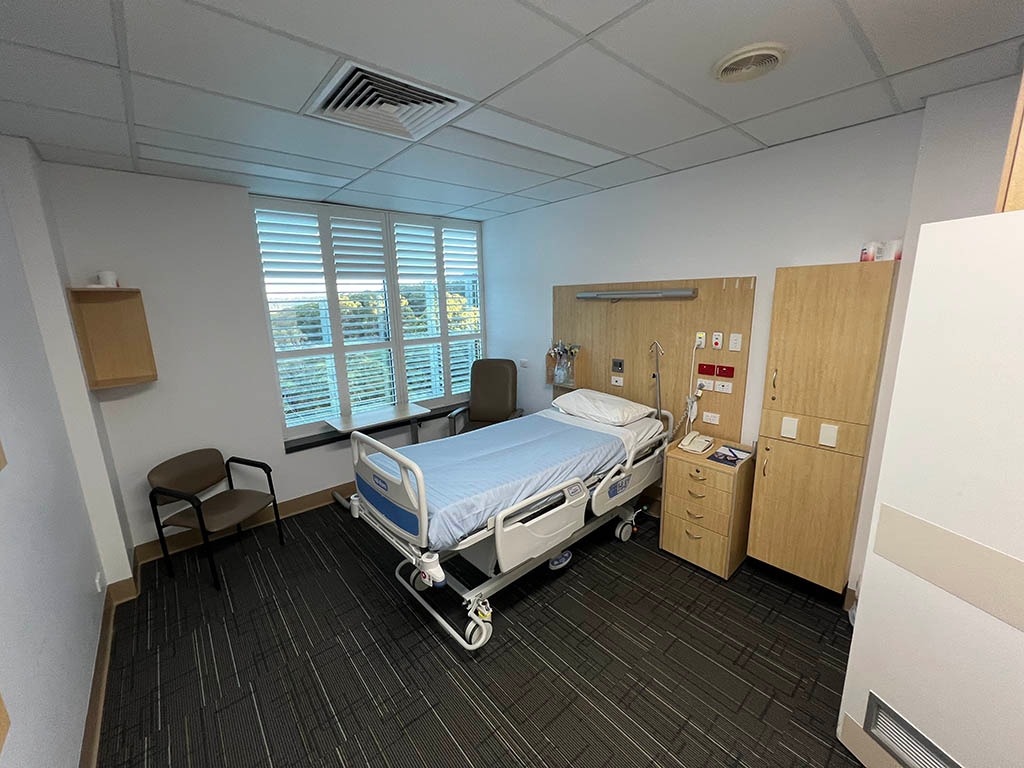
A sleep study records information about breathing and sleep during the night. Depending on the circumstances, testing may take place at home or in an overnight sleep laboratory. These studies can monitor breathing patterns, oxygen levels and other information needed to assess sleep-related breathing problems.
What Happens During a Sleep Study?
A sleep study is designed to collect objective information while a person sleeps. The equipment and measurements used depend on whether testing is performed at home or in a laboratory.
Information may include:
- Breathing patterns
- Oxygen levels
- Heart rate
- Sleep-related movements
- Changes associated with breathing interruptions
The results are interpreted alongside the clinical history rather than being considered in isolation. This helps the treating specialist determine whether a sleep-related breathing disorder is present and how significant it may be.
Treatment for Sleep Apnoea
Sleep apnoea treatment depends on the type and severity of the condition, symptoms, medical circumstances and findings from diagnostic testing. There is no single treatment that is suitable for every patient.
For some people, treatment may involve lifestyle and behavioural changes. Other patients may require therapies designed to maintain airflow during sleep. CPAP therapy is one established treatment for obstructive sleep apnoea and may be recommended when appropriate.
At Coastal Respiratory & Sleep Specialists, sleep testing is available at home or in an overnight sleep laboratory, with personalised CPAP therapy guided by the treating specialist when required.
Common Treatment Approaches
Depending on the assessment, a management plan may include:
- Weight management where appropriate
- Changes to sleep habits
- Reviewing factors that may worsen airway obstruction
- Continuous positive airway pressure therapy
- Other airway devices where clinically suitable
- Follow-up assessment to review treatment effectiveness
Treatment decisions should be based on an individual’s diagnosis rather than symptoms alone. A specialist can explain the expected benefits, practical considerations and follow-up requirements associated with the recommended approach.
When Should You See a Sleep Specialist?
Persistent snoring, witnessed pauses in breathing, repeated nighttime gasping and unexplained daytime sleepiness can all justify discussing sleep health with a healthcare professional.
A sleep specialist on the Gold Coast can assess sleep-related breathing concerns and determine whether specialist testing is appropriate. Coastal Respiratory & Sleep Specialists provides respiratory and sleep medicine services across locations including Pimpama, Southport, Benowa and Tugun, with telehealth consultations also available in appropriate circumstances.
A specialist consultation can be particularly useful when symptoms are persistent, when previous testing requires interpretation, or when treatment needs to be reviewed.
Preparing for a Specialist Consultation
Before a specialist consultation, it can be helpful to record symptoms and relevant sleep patterns. If a partner has noticed breathing pauses or unusual nighttime sounds, their observations can also provide useful information.
Bring relevant medical information and previous test results where available. At Coastal Respiratory & Sleep Specialists, the initial consultation includes discussion of health concerns and review of available investigations, followed by an appropriate action plan.
When Is a Respiratory Specialist Appointment Appropriate?
Sleep-related breathing disorders can overlap with other respiratory concerns, so an assessment may need to consider both sleep and breathing health.
If you have persistent nighttime breathing problems, unexplained daytime fatigue or symptoms that suggest a broader respiratory issue, arranging a respiratory specialist appointment can help determine what investigation may be appropriate.
Coastal Respiratory & Sleep Specialists brings together respiratory and sleep physicians who assess and manage a range of breathing and sleep conditions. Our services include specialist consultations, sleep studies, respiratory assessment and lung function testing.
Why Specialist Assessment Matters
A specialist assessment can help distinguish between different causes of disrupted sleep and breathing symptoms. For example, snoring may be associated with simple upper-airway vibration, while repeated breathing interruptions may indicate a sleep-related breathing disorder.
An assessment also provides an opportunity to review other health factors and determine whether additional investigations are needed. This may include sleep studies or other respiratory tests depending on the clinical findings.
Sleep Apnoea and Long-Term Health
Repeated interruptions to breathing can prevent normal restorative sleep and may cause repeated changes in oxygen levels and sleep patterns. The effects can extend beyond nighttime symptoms and contribute to daytime fatigue and reduced concentration.
People diagnosed with obstructive sleep apnoea should follow the management plan recommended by their treating healthcare professional. Treatment may help improve sleep quality and reduce symptoms when appropriately prescribed and used consistently.
It is also important not to self-diagnose based solely on snoring or tiredness. Several conditions can cause similar symptoms, which is why appropriate clinical assessment and diagnostic testing are important.
Conclusion
Sleep apnoea is a sleep-related breathing disorder that can affect nighttime breathing and daytime wellbeing. Recognising symptoms such as loud snoring, witnessed breathing pauses, gasping, morning headaches and persistent daytime tiredness can help people decide when further assessment may be appropriate.
Obstructive sleep apnoea is common, but diagnosis should be based on clinical assessment and appropriate sleep testing rather than symptoms alone. Treatment is individualised and may include lifestyle measures, CPAP therapy or other approaches depending on the diagnosis.
At Coastal Respiratory & Sleep Specialists, we provide specialist respiratory and sleep medicine services, including consultations and home or laboratory sleep studies. If you are concerned about your breathing during sleep, arrange a specialist consultation to discuss your symptoms and the appropriate next step.
Frequently Asked Questions
1. What are the main symptoms of sleep apnoea?
Common symptoms include loud snoring, witnessed pauses in breathing, gasping or choking during sleep, morning headaches, dry mouth, daytime sleepiness and difficulty concentrating. Symptoms can vary considerably between individuals.
2. Is obstructive sleep apnoea the same as snoring?
No. Snoring can occur without sleep apnoea. Obstructive sleep apnoea involves repeated narrowing or blockage of the upper airway that disrupts normal breathing during sleep. Persistent snoring combined with breathing pauses or daytime sleepiness may warrant assessment.
3. How is sleep apnoea diagnosed?
Diagnosis generally involves a clinical assessment followed by sleep testing when appropriate. A home or laboratory sleep study can record breathing and other physiological information during sleep, helping a specialist determine whether a sleep-related breathing disorder is present.
4. Can sleep apnoea be treated?
Yes. Treatment depends on the type and severity of the condition. Depending on the clinical assessment, management may include lifestyle measures, CPAP therapy or other therapies. The appropriate treatment should be determined with a qualified healthcare professional.
5. Do I need a referral for a sleep specialist?
A referral from a GP or specialist is required before an initial specialist consultation with Coastal Respiratory & Sleep Specialists. A referral can help provide relevant medical information and support an appropriate assessment pathway.